 A maze is a puzzle made of pathways, twists, turns, and dead ends. People have enjoyed solving mazes for thousands of years, from ancient labyrinths to giant hedge mazes and even digital games. In this Mini Spark, you will explore different kinds of mazes and then become an engineer by designing your own marble maze!
Spark Your Learning!
1. Set up your STEAM Mini Spark recording page: #45: Make a Maze
2. Learn about mazes by reading the Maze Fact Sheet.
As you read, record:
- Three facts you learned about mazes.
- One fact that surprised you.
When you are done, scroll to the bottom of this page to see some answer options.
3. Try to solve a few mazes with your eyes only!
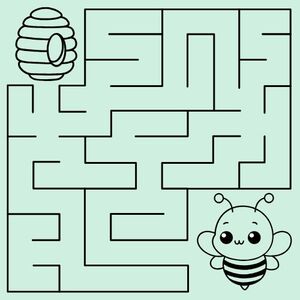
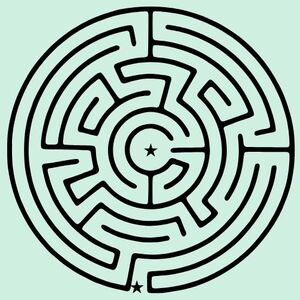
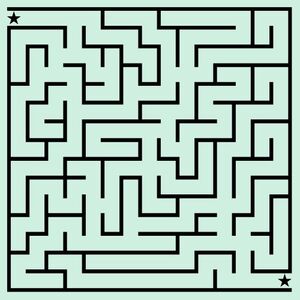
Record:
-
- Which maze was your favorite.
- Which maze was the most challenging.
- One strategy that helped you solve a maze.
4. Watch this video to learn how to make a marble maze. Record the materials you will need. Ask you teacher for help collecting the materials.
5. Create your own marble maze.
Your maze should:
-
- Have a clear start and finish.
- Include at least 3 turns.
- Have at least 1 obstacle or challenge.
- Successfully guide a marble from start to finish.
6. Test your maze and make improvements.
Record:
-
-
- What worked well.
- What did not work well.
- One change you made to improve your design.
-
7. Submit your completed Mini Spark recording page and a photo of your marble maze to your teacher or EY Coordinator.
There is a Maze Design badge to try at the EY website.
Suggested Answers for Step 2
- Mazes and labyrinths are not exactly the same thing.
- One of the earliest recorded mazes was the Egyptian Labyrinth.
- The legend of Theseus and the Minotaur takes place in a labyrinth on Crete.
- Scientists have used mazes to study how animals learn.
- The world’s largest permanent hedge maze is located in Hawaii.
Your answers may be different if you found other interesting facts!