 Did you know that no two people have exactly the same fingerprints? Fingerprints help identify people and are used by scientists, law enforcement, and even the technology we use every day. Fingerprints are one type of biometric, a unique physical characteristic that can be used to recognize a person. In this Mini Spark, you will learn about fingerprints and discover how biometrics are used in the modern world.
Spark Your Learning!
1. Set up your Science Mini Spark recording page: #43: Fingerprints. Answer this questions: Why do you think every person has different fingerprints?
2. Watch this video. How do the different patterns of fingerprints get started?
3. Create a Fingerprint Mini Dictionary.
Choose at least 8 vocabulary words from the video.
For each word, include:
- The term
- A definition in your own words
- A small illustration or symbol
Example:
Fingerprint
The pattern of ridges on the tip of a finger that is unique to each person.
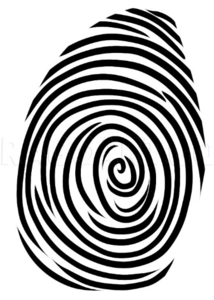
4. Biometrics are physical traits that can be used to identify a person. Examples include:
- Fingerprints
- Facial recognition
- Iris scans
- Voice recognition
Record these on your recording page. Next to each on, think of a real life example of when they would be used. When you are done, scroll to the bottom of this post to see some suggested answers.
Can you think of another way biometrics might be used in the future to make life easier or safer?
Why are fingerprints useful for identifying people?
How are fingerprints used in technology today?
Do you think biometrics are helpful? Why or why not?
6. Submit your completed Mini Spark notebook pages and Fingerprint Mini Dictionary to your teacher or EY Coordinator.
To learn more about biometrics, complete the biometrics badge at the EY website.
examples for Step 4:
| Biometric Tool | How It Identifies a Person | Real-Life Example |
|---|---|---|
| Fingerprints | Uses the unique ridges and patterns on a person’s fingers. | Unlocking a smartphone with a fingerprint sensor. |
| Facial Recognition | Uses measurements and features of a person’s face. | Opening a phone with Face ID or checking in at some airports. |
| Iris Scans | Uses the unique pattern in the colored part of the eye. | Security access at research labs, government buildings, or some international airports. |
| Voice Recognition | Uses the unique characteristics of a person’s voice. | Asking Siri, Alexa, or Google Assistant to recognize your voice. |