Fit words into a grid in this popular game, often seen in puzzle magazines as fill-ins. The grid looks like a crossword, but there are no normal clues. Instead you must find the right place in the grid for each word from a given list.
Spark your thinking!
1. Set up your language arts mini spark recording page: #80: Word Fit Puzzle
2. Watch this short intro video. What is the goal of this game?
3. Go to the Word FIt Puzzle website. Explore the grid sizes and the difficulty levels. Record all of those on your recording page.
4. Start easy to get the hang of it. Choose a level. Record your choice. Play a level. Take a screenshot of your ending time and add it to your recording page or write your ending time on your recording page.
5. Move to a harder level. Choose a level. Record your choice. Play a level. Take a screenshot of your ending time and add it to your recording page or write your ending time on your recording page.
6. What do you like about this game. What changes would you recommend?
7. Share your language arts mini spark recording page and visual with your teacher/EY coordinator.
Want to keep playing? Keep moving up levels as you are ready. Document your progress. Talk to your EY coordinator about doing these puzzles to earn a badge.


 Across the Pacific, myths and legends are passed down through oral tradition. The myth of Dakuwaqa is deeply rooted in Fijian culture and serves as a reminder of the interconnectedness between humans and the natural world, as well as the consequences of greed and disrespect for the environment.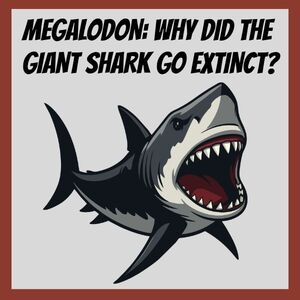
 It is helpful to be able to recognize and understand adages and proverbs in the stories you are reading.
 Learning Greek and Latin roots can help your understand English better, improve your vocabulary, and learn how to read and spell new words.
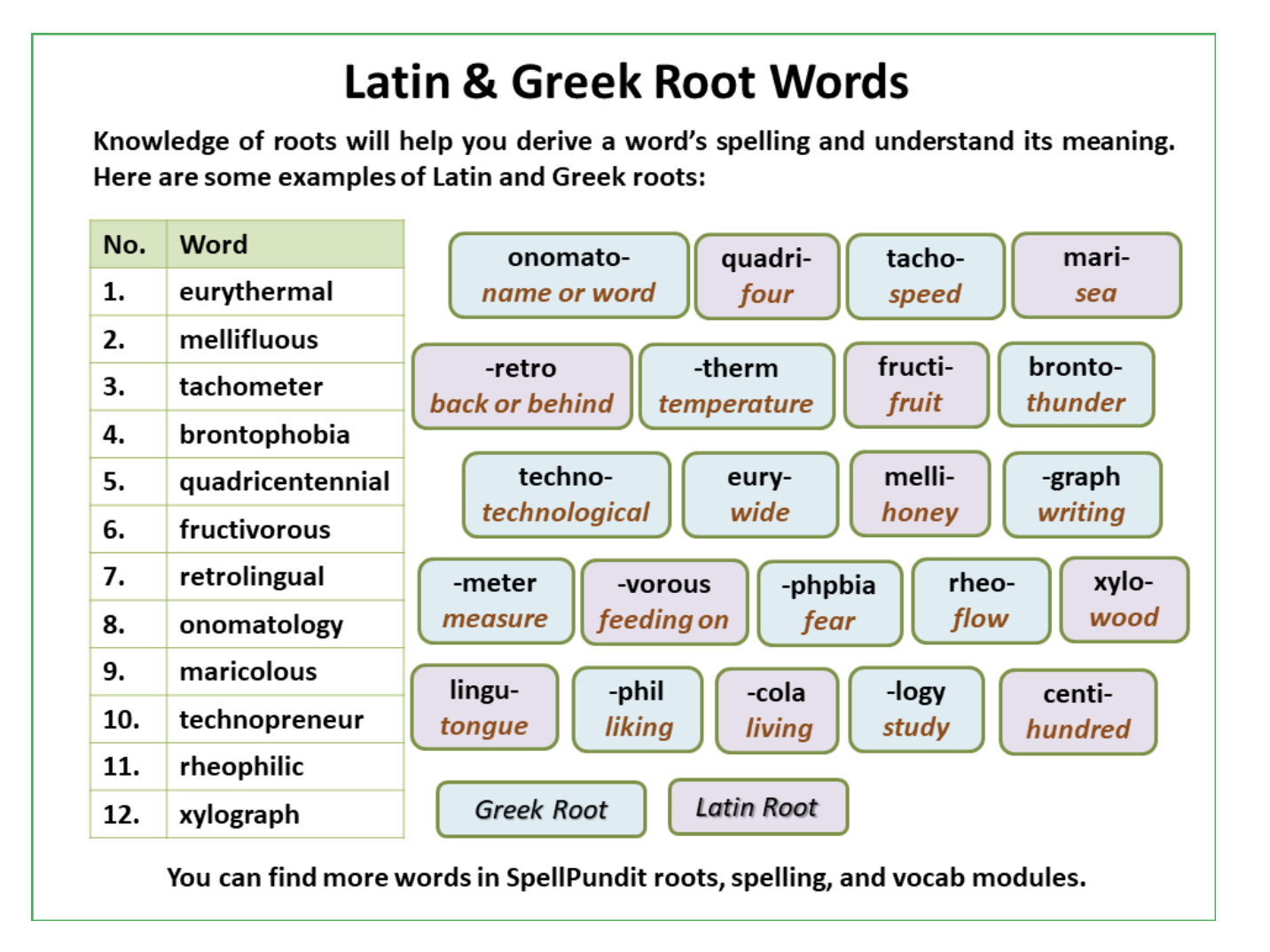 4. Make flash cards for each of the pink and blue buttons. On one side put the root and the other side put the meaning. Study the cards. 5 times.
 Nonfiction poetry focuses on conveying facts about subjects through engaging and creative narratives. Nonfiction poetry can be a fun and thought-provoking way to tell a story or impart information.

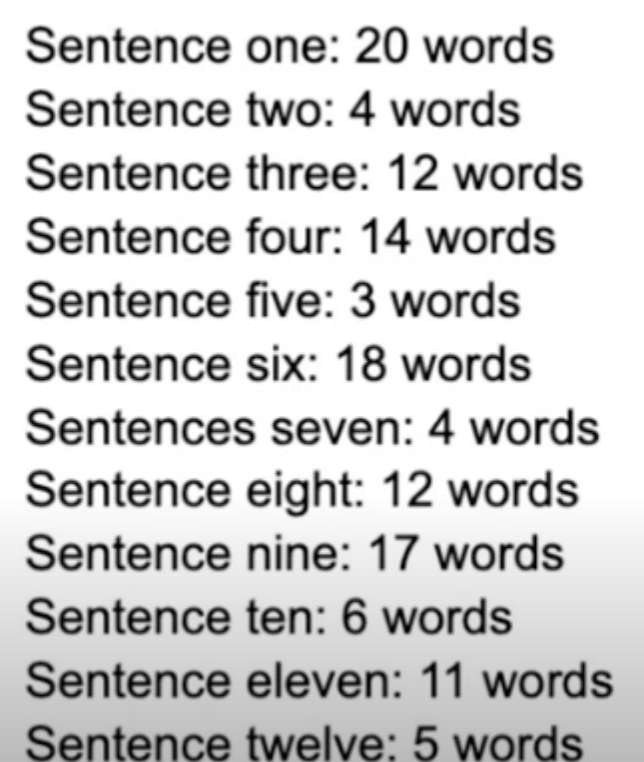
 When reading a favorite story, take some time to notice the length of the sentences you are reading. Writers often use a variety of sentence lengths to create a rhythm. Using long sentences with lots of details, short and sweet to the point sentences, and combined with mid length sentences will make your story flow.