A sieve is a kitchen utensil that is used to strain solids from liquids or for separating coarser from finer particles. The Sieve of Eratosthenes is similar because it’s used to separate out all the prime numbers from a given set of numbers.
Spark your math thinking!
1. Set up your math mini spark recording page: #5: Sieve of Eratosthenes
2. Listen to the pronunciation of Eratosthenes several times. Practice saying “Eratosthenes”
3. Learn about Prime Numbers at Math is Fun and then answer these question on your recording page. What is a prime number anyway? What is the smallest prime number? Is 1 prime? Why or Why not? Are all odd numbers prime? How many prime numbers are there between 1 and 100?
4. Watch this video about the Sieve of Eratosthenes.
5. Do this online prime number activity and Add a picture of the finished chart to your recording page. If you would rather use paper, print out this 100 chart and find the prime numbers.
6. Read this article and find out about Eratosthenes. Consider the following questions as you read and record your responses on your recording sheet.
What were 2 of Eratosthenes’ nicknames and what did they mean?
What is Eratosthenes known for besides the Sieve named after him?
What kind of man was Eratosthenes?
7. Share your math mini spark recording page with your teacher/EY coordinator.
 Here are some resources to get you thinking about Science, Technology, Engineering, Art and Math as they relate to Paper Airplanes!
 Learn more about how to add spark to your writing.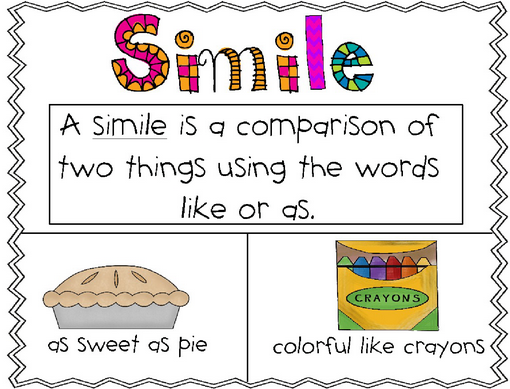


 Papel Picado means “pierced paper” in Spanish. In Mexico, artists use special tools to pierce through many layers of paper at once. In Mexico, people create Papel Picado banners to celebrate holidays and different occasions.
 This math mini spark explores Weird But True! Size Edition.